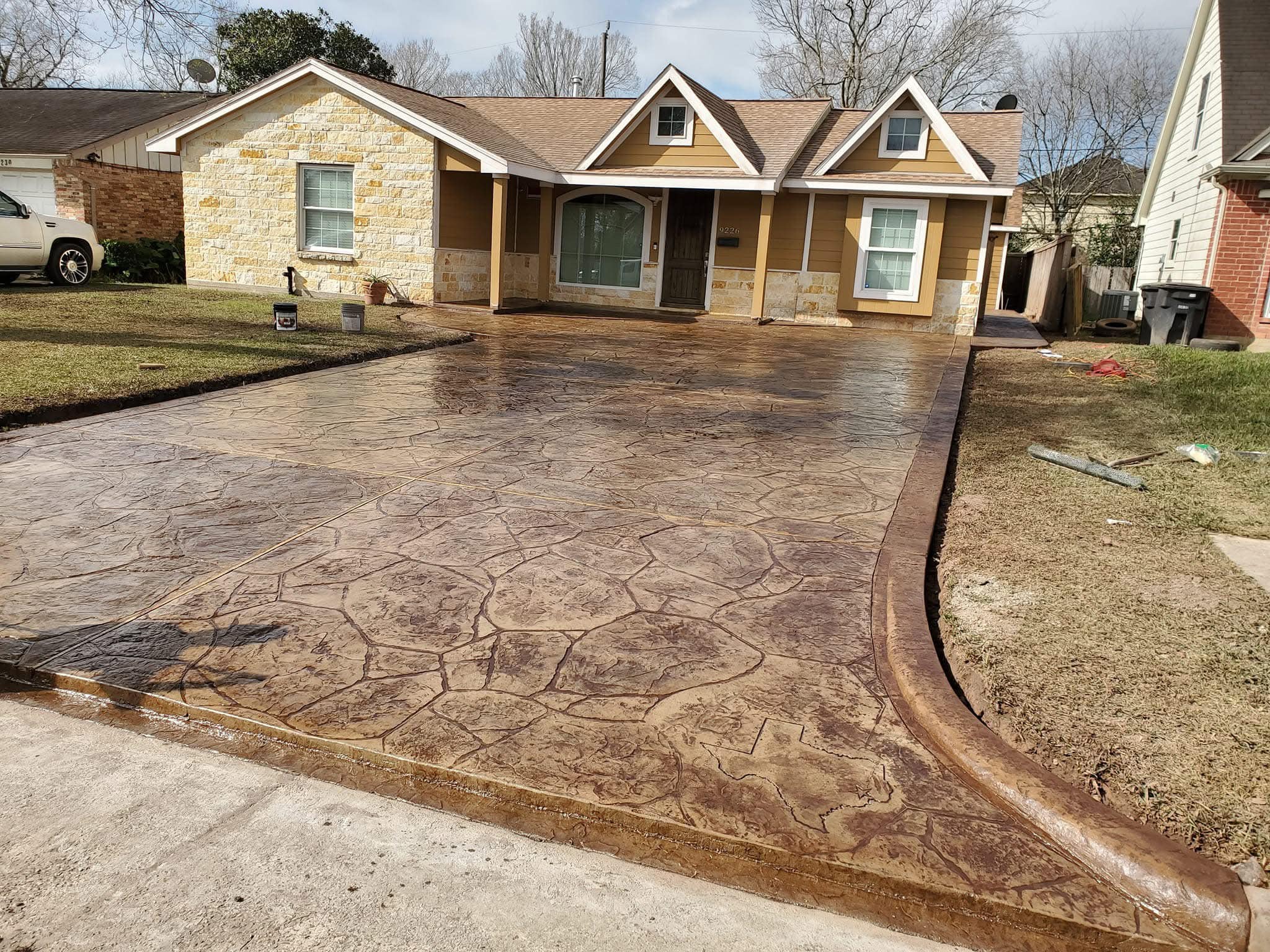
Achieving Longevity and Strength: Innovative Concrete Maintenance Tips Jun 13, 2026
When considering concrete maintenance, it's important to understand the potential threats your concrete may face. Environmental factors like moisture, temperature fluctuations, and chemical exposure can all take a toll. Moisture can seep into cracks and expand when frozen, while chemicals such as road salts can accelerate deterioration. By being aware of these factors, you can take preventive measures to protect your investment.
The first step in effective maintenance is regular cleaning. Dirt and grime are more than just unsightly; they can lead to surface damage over time. Use a gentle pressure washer or a scrub brush with a cleaning solution specifically designed for concrete. Routine cleaning not only preserves aesthetic appeal but also acts as a first line of defense against surface degradation.
Another key aspect is crack repair. Concrete naturally develops cracks over time due to shrinkage and expansion. While small cracks might seem harmless, they can widen if neglected. Repair them promptly using a concrete patching compound. This will prevent moisture ingress and further deterioration, ultimately safeguarding your structure.
Sealing your concrete is a proactive measure that can significantly extend its life. Sealants create a barrier against moisture and resist chemical spills. Depending on your location and climate conditions, you should reseal every two to three years. Choose a high-quality sealant and consider the specific needs of your concrete, whether it’s a driveway, patio, or commercial structure.
Maintaining a proper drainage system is also crucial. Standing water can lead to discoloration and surface damage. Ensure your concrete is correctly pitched to encourage runoff, and consider installing drainage solutions like French drains if necessary.
For industrial or commercial concrete surfaces, consider adding a protective coating. A polyurethane or epoxy coating enhances resistance to heavy traffic and chemical exposure. These coatings not only help in maintaining the structural integrity of the concrete but also provide added slip resistance, which is essential for safety in high-traffic areas.
Another innovative method to reduce damage is the use of vapor barriers. These are placed beneath concrete slabs during construction and prevent moisture from rising through the concrete. If you're constructing something new, discuss vapor barriers with your contractor to mitigate future maintenance issues.
Finally, adopt a regular inspection schedule. By routinely assessing your concrete surfaces, you can identify potential problems before they escalate. Check for signs of spalling, cracking, or any unusual wear, and address them promptly.
At NG Concrete Services, we understand the critical role that regular upkeep plays in the longevity and strength of concrete. By following these maintenance tips, you’ll not only protect your investment but also enjoy a safe and aesthetically pleasing environment for years to come. For any concerns beyond DIY maintenance, we recommend consulting with our professional concrete experts to ensure that your surfaces remain in top condition.
/filters:no_upscale()/filters:format(webp)/media/95993e6a-6037-4ff2-b488-244ecaa34509.jpg)
/filters:no_upscale()/filters:format(webp)/media/a2b7ce59-aed9-4c4a-9b13-8c13e450e109.jpg)